The "Bulgarian School" |
|||||||||
 |
 |
||||||||
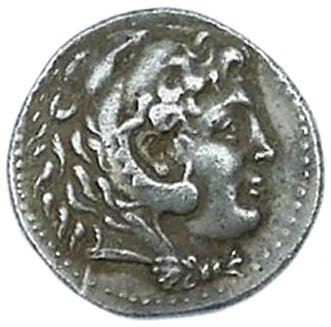
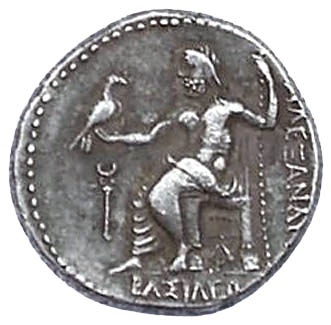
| "Bulgarian School" forgery No. 1 of an Alexander III tetradrachm, 16.7g, obverse A (copies Slavey replica), reverse A (copies Slavey replica). | |||||||||
All of the fakes on this page are "Bulgarian School" Alexander-style tetradrachms. Most, perhaps all, of the Bulgarian
School forgeries illustrated here originated with the Lipanoff Studio, an active workshop in Bulgaria where coin
replicas/forgeries are produced. I believe that the Lipanoff Studio is comprised of students of Slavey Petrov,
the Bulgarian replica maker who began making replicas in 1966 at the age of 15 and who admitted in a 2000 interview
with Bill Puetz that his apprentices are responsible for the rash of forgeries coming out of Bulgaria. There are
distinct similarities in the die work of Slavey replicas and Lipanoff fakes, the same genuine artistry, the same
expressive/excessive flamboyance that goes beyond what the ancient celators did. As with Slavey's work, some Lipanoff
pieces are more attractively rendered than others. Some of the fakes on this page may be casts of Lipanoff Studio
pieces; some may be struck copies made with cast dies.
Lipanoff fakes have been sold as authentic coins on eBay, in significant
quantity, primarily by one or more sellers from Germany. Lipanoff fakes have also been sold by an antiquities shop
in Manhattan. |
|||||||||
 |
 |
||||||||
| "Bulgarian School" forgery No. 2 of an Alexander III tetradrachm, 16.9g, obverse A, reverse B. Reverse M.J. Price F81, Bulletin on Counterfeits, Vol. 5, No. 1/2 (1980), Specimen 11. | |||||||||
| This, as with several other Lipanoff fakes on this page, were sold as authentic coins by an eBay seller from Germany.
This seller has been selling forgeries as authentic coins in significant quantity on eBay since July 2004, though
the scale of his fraud is nowhere near as large as that of the Toronto Forger. This scammer started off selling forgeries on eBay using regular auctions, then went to private auctions when people starting tipping off bidders about this scam. Each of his fakes has the same artificial toning that has been buffed off at the highpoints. He includes this language in his auction descriptions: "ECHTHEIT WIRD GARANTIERTV," which translates into "AUTHENTICITY GUARANTEED." Scammers sometimes honor such guarantees, counting on the fact that relatively few people will notice that something is wrong when receiving the fake and ask to take advantage of the guarantee. The obverse of the above fake copies a Slavey replica. The reverse is documented in Price as F81 and in the Bulletin on Counterfeits, Vol. 5, No. 1/2 (1980), Specimen No. 11, a Lebanese School fake. The sharing of reverse dies between that Lebanese School fake and this Bulgarian School fake suggests cooperation or "borrowing" of one group of forgers from another, perhaps the new-school Bulgarians from the old-school Lebanese. |
|||||||||
 |
 |
||||||||
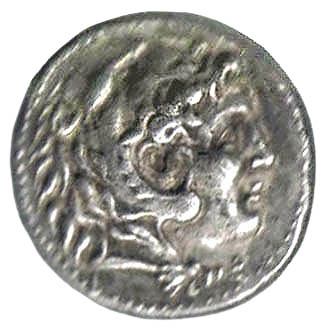
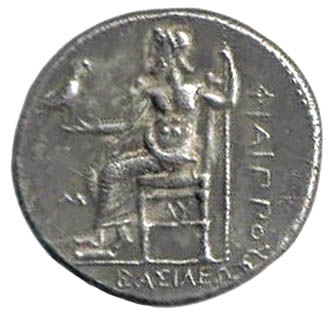
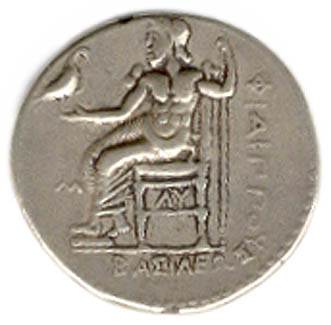
| "Bulgarian School" forgery No. 3 of an Alexander III/Philip III tetradrachm, 16.9g, obverse A, reverse C. The obverse of this Lipanoff fake copies a Slavey replica. The reverse is a copy of a Philip III tetradrachm, with the inscription translating into "Of King Philip." | |||||||||
 |
 |
||||||||
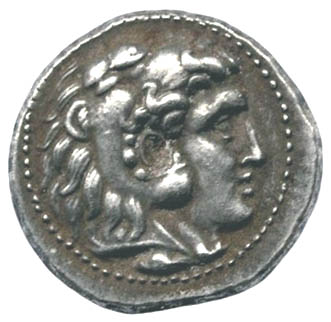
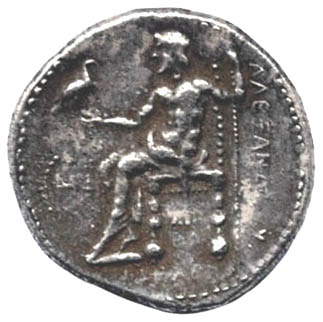
| "Bulgarian School" forgery No. 4 of an Alexander III/Philip III tetradrachm, weight unknown, obverse A, reverse C. Here's the same Lipanoff fake as the previous coin, only artificially toned less convincingly. It was also sold on eBay using the auction title "Greek Fantasy Piece (Silver) Alexander the Great. | |||||||||
 |
 |
||||||||
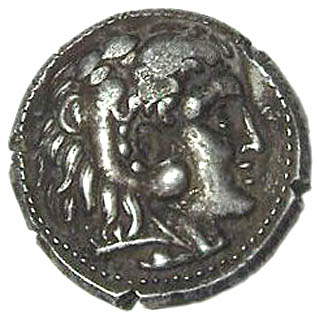
| "Bulgarian School" forgery No. 5 of an Alexander III tetradrachm, 16.9g, obverse B, reverse A. This Lipanoff fake uses the reverse of a Slavey replica. | |||||||||
 |
 |
||||||||
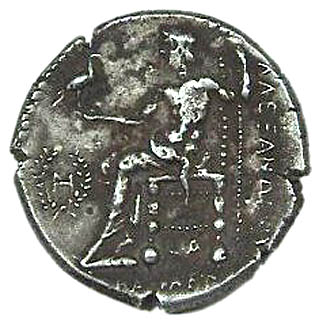
| "Bulgarian School" forgery No. 6 of an Alexander III tetradrachm, 16.7g, obverse B, reverse A. This is another version of the previous Lipanoff fake. This fake appears to have been worked on more than most Lipanoff fakes, with significant simulated wear and artificial edge defects. In an online authenticity test I conducted, a lot of people were fooled by this piece, feeling it was an original ancient coin, no doubt because of the effort that appears to have gone into working on it. | |||||||||
 |
 |
||||||||
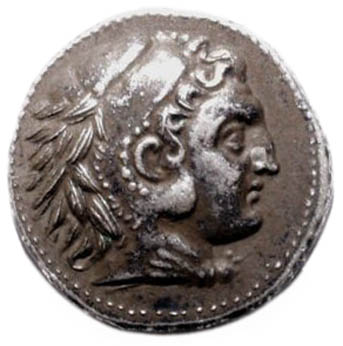
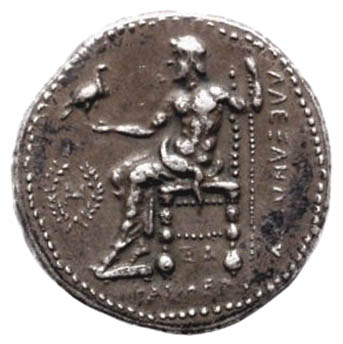
| "Bulgarian School" forgery No. 7 of an Alexander III tetradrachm, 17.1g, obverse C, reverse A. This Lipanoff fake uses a Slavey replica reverse. In one auction this fake sold for EUR 159 ($215). The same seller sold another copy of this same fake that weighed 17.0g. | |||||||||
 |
 |
||||||||
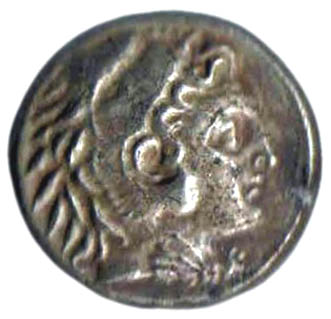
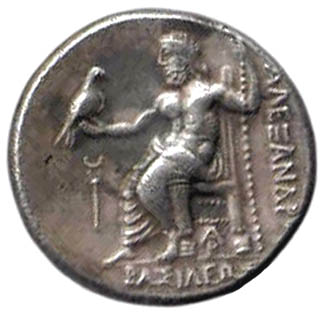
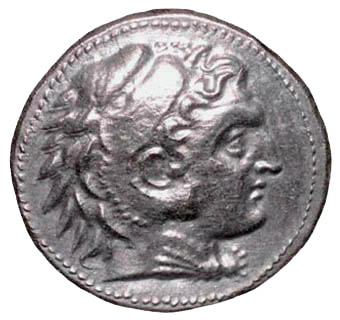
| "Bulgarian School" forgery No. 8 of an Alexander III tetradrachm, 16.9g, obverse C, reverse B. | |||||||||
 |
 |
||||||||
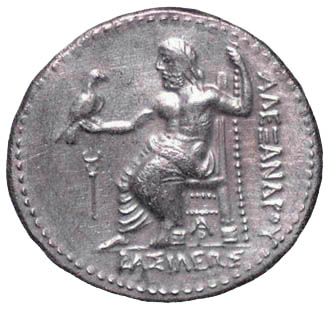
| "Bulgarian School" forgery No. 9 of an Alexander III tetradrachm, 18.2g, obverse C, reverse B. This is the same Lipanoff fake as the previous piece, but it's significantly heavier and overweight, and no attempt appears to have been made to artificially tone it. It was sold on eBay from a seller in Belgium who said he bought it from an eBay seller from Germany. When informed that the piece was false, he canceled his auction. My experience is that the majority of sellers of fakes on eBay don't know what they have and are apologetic when informed; a minority appear to be deliberately perpetuating scams. In some cases, the intent isn't clear. | |||||||||
 |
 |
||||||||
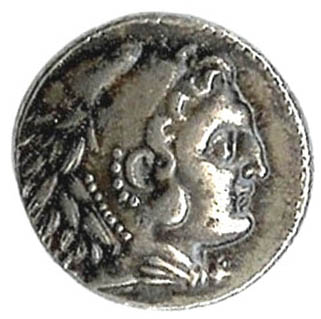
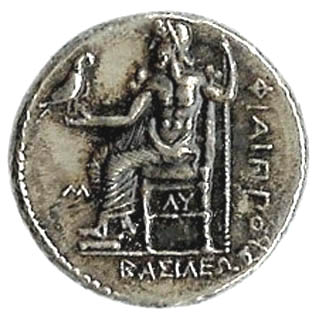
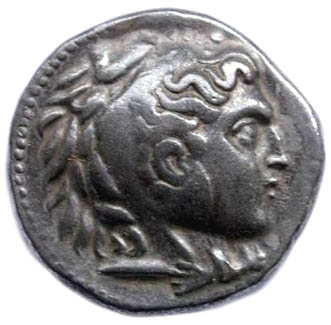
| "Bulgarian School" forgery No. 10 of an Alexander III/Philip III tetradrachm, 16.1g, obverse C, reverse C. Modern Forgeries of Greek and Roman Coins, Ilya Prokopov, No. 53, Macedonia and Paeonia: Seldarov Collection, Nikola Seldarov, No. 799, Bulletin on Counterfeits, Vol. 16 No. 1 (1991), p. 20. In one scam auction, a private auction, the above fake sold for $251.50. The same fake sold on eBay by seller from Syria, with that fake weighing 16.95g. | |||||||||
 |
 |
||||||||
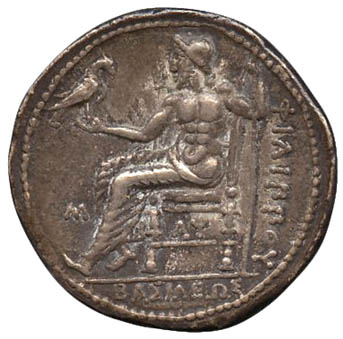
| "Bulgarian School" forgery No. 11 of an Alexander III tetradrachm, 16.8g, obverse D, reverse A. The reverse of this Lipanoff fake copies a Slavey replica. | |||||||||
 |
 |
||||||||
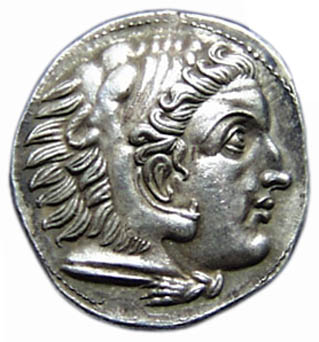
| "Bulgarian School" forgery No. 12 of an Alexander III/Philip III tetradrachm, 17.0g, obverse D, reverse C. Bulletin on Counterfeits, Vol. 16 No. 1 (1991), p. 20. | |||||||||
 |
 |
||||||||
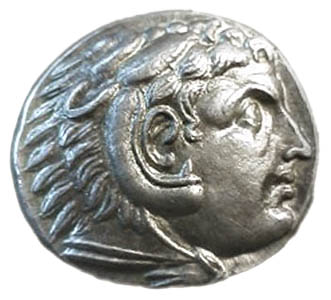
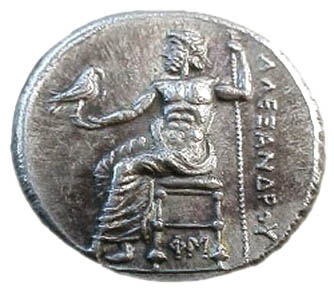
| "Bulgarian School" No. 13 of an Alexander III tetradrachm, 16.5g. Obverse No. 45, reverse No. 56 in Prokopov's Modern Forgeries of Greek and Roman Coins. | |||||||||
| This fake represents the finest work of the Lipanoff Studio, using the word "finest" in terms of artistic
expressiveness. It's flamboyantly styled rather than cut in the style of an ancient coin. Much like a Slavey replica,
you can see the modern Bulgarian die work and its embellishments, including the deeply lined forehead and highly
arched eyebrow. The obverse design appears to be loosely based on Alexander tetradrachms that Price tentatively
attributes to Pella. The piece feels like solid silver and is toned convincingly.
There's no "COPY" or other countermark on the edge. I bought this piece as a replica and priced as a
replica from a Bulgarian middleman in this country. My buying this as a replica points to the fine line that sometimes separates forgeries from replicas. The most relevant question, I believe, is whether or not there appears to be intent to deceive, which isn't always an easy question to answer. What's more, the answer can change depending on circumstances. This piece was sold to me with no intent to deceive, so it's best categorized as a replica. But if I were to turn around and sell it as an authentic coin, it would become a forgery. Though the concept of intent isn't always clear cut, it's used in law enforcement, and I believe it's relevant with replicas as well. I'm including this piece on this page about forgeries, rather than on my replica page, because it appears to come from the same source as the other pieces on this page. |
|||||||||
 |
 |
||||||||
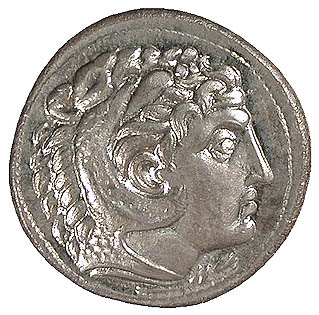
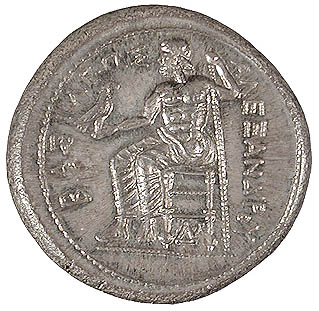
| "Bulgarian School" forgery No. 14 of an Alexander III tetradrachm, 16.5g. Obverse Bulletin on Counterfeits, Vol. 16 No. 1 (1991), p. 18. This Lipanoff fake has a similar though slightly different obverse as the previous piece. You can see the same hand at work. The reverse is another fantasy and appears to be previously undocumented. The toning is less convincing than with the previous piece. This coin was sold to me as an early Slavey replica by another Bulgarian middleman, but I haven't seen it documented that way anywhere, and it appears to be another work of the Lipanoff Studio. | |||||||||
 |
 |
||||||||
| "Bulgarian School" forgery No. 15 of an Alexander III tetradrachm, 16.5g. Obverse No. 46, reverse No. 47 in Prokopov's Modern Forgeries of Greek and Roman Coins. This piece was also sold to me as an early Slavey replica, but I believe it also is a Lipanoff Studio piece. It, like the previous two pieces, appears to be made of solid silver and weighs 16.5g, though it's less stylish. With its flat fields, round flan, and reflective toning (best seen in hand), it has more of a replica feel. | |||||||||
 |
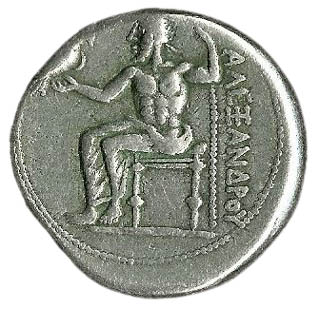 |
||||||||
| "Bulgarian School" forgery No. 16 of an Alexander III tetradrachm, 16.4g. Modern Counterfeits and Replicas of Ancient Greek and Roman Coins From Bulgaria, Prokopov, No. 102. Unlike the other Bulgarian School/Lipanoff fakes illustrated on this page, this one is documented not in Prokopov's 1997 Modern Forgeries of Greek and Roman Coins but in a later book, his 2003 Modern Counterfeits and Replicas of Ancient Greek and Roman Coins From Bulgaria, as No. 102. That fake weighs 16.55g. By its grainy fabric and slightly lighter weight, this one could be a cast of that one. The photo of this piece is courtesy of mister.saigon on FORVM. | |||||||||
Other glomworthy coins:
Coin sites:
Coin Collecting: Consumer Protection
Guide
Glomming: Coin Connoisseurship
Bogos: Counterfeit Coins
Pre-coins
© 2013 Reid Goldsborough
Note: Any of the items illustrated on these pages that are in my possession are stored off site.