|
|
With ancient coins, the harsh and unfortunate reality is
that with most new finds laws are broken and information is lost during the distribution process as coins wend
their way from the ground to private collections. Almost all new finds are smuggled out of source countries, and
this has been the case for many years. But the culprit isn't those breaking the laws or those they work with but
the laws themselves.
Cultural patrimony laws in sources countries around the Mediterranean are designed to prevent the looting and smuggling
of ancient artifacts, including coins, which these countries regard as their heritage. They're a reaction, an overreaction,
to the wholesale legal export during past centuries of statues, pottery, and other artiquities from these countries
to museums and private collections in countries that were colonial powers or otherwise wealthy.
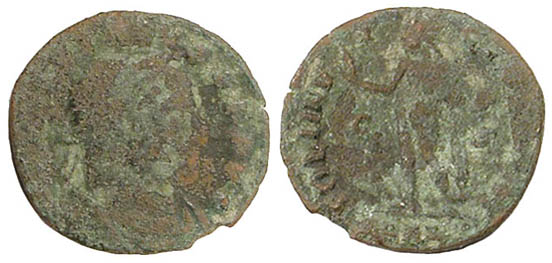
These laws for the most part are draconian and irrational. They treat the commonest Constantinian bronze coin the
same as the Elgin Marbles. They also regard anything ancient found in the soil of the country as part of its cultural
heritage even when it was made and used by a totally different people who lived and ruled there long before the
people currently living and ruling there migrated to the area. Far more ancient coins are unearthed each year than
could be displayed in museums in these countries. When ancient coins are intercepted, they typically wind up in
storage in dank basements of museums or government offices.
Because these laws are irrational, they're routinely broken. But to avoid detection, finders, middlemen, and dealers
rely on secrecy. The unspoken byword is "Don't ask, don't tell." Provenance information about the coins
we buy in most cases is deliberately suppressed at every stage, and important hoard and findspot information is
lost. Consequently, we know a great deal less about ancient coins, individually and as a whole, and we know less
about history as well.
Private collecting benefits society just as much as public display, encouraging the study of the past. Ancient
coins and artifacts are our collective heritage, not the heritage of individual countries or the archeological
establishment. There should be a government-regulated free market of antiquities and coins in source countries
around the Mediterranean, as there is in the United Kingdom.
Under a rational system, with every newly uncovered hoard or find, museums in source countries and their governmental
sponsors would choose what they wanted for their collections and to help preserve their cultural heritage, paying
a fair price to compensate finders and those they work with. Governments would confiscate material shown to have
been uncovered illegally at off-limits, bona fide archeological sites. The remainder of the material would enter
the collector market, not secretly as happens today, with much knowledge of the past lost, but openly so the material
could be fully studied. Governments of source countries would further benefit in the form of sales and export taxes
just as with other goods sold or exported.
A rational system would bring matters at the source out into the open, suppress the black market that currently
exists, and serve the needs of both cultural preservationists and dealers/collectors. There's enough material,
coins and artifacts, for all parties involved.
Saving Antiquities
for Everyone is
an advocacy organization that, despite its name, promotes the mainstream archeological position, which includes
banning the private collecting of ancient coins and artifacts. Ancient Coin Collectors Guild is an advocacy organization
that, despite its name, promotes the mainstream position of coin dealers, which includes the preservation of the
right to sell and buy ancient coins. Neither organization is advocating the rationalization of laws in source countries
and the furthering of knowledge this would lead to.
|
|