|
|
One of the pieces of advice frequently offered by well-meaning
collectors is, "Never clean your coins." Online they often shout this using all capital letters or at
least an exclamation point or three.
But the fact is that many, many coins are cleaned, and improved, modern coins and ancient ones. People -- collectors
and dealers -- clean coins every day, using various means, including but not limited to soaking in soap and water,
using acetone, and dipping in E-Z-Est Coin Cleaner, and with ancient coins, soaking in olive oil, lemon juice or
vinegar, rubbing with a toothbrush or copper brush, and scraping with dental tools. The trick is to know what are
considered acceptable surfaces for any given coin type, what methods are appropriate for any given coin type, and
how to best use them.
The advice and overreactions are understandable. Many coins in the past have been damaged by overharsh cleaning,
particularly by being rubbed with a cloth and abrasive cleaner or scrubbed with steel wool, and their aesthetic
appeal and market value have been greatly reduced.
Attitudes among collectors are much different from attitudes among dealers, and attitudes among collectors of U.S.
coins are much different from attitudes among collectors of ancient coins. Dealers, some of them, perhaps many
of them, routinely clean (conserve, curate) U.S. coins to improve them, and there's a service out there, NCS (Numismatic Conservation Service), that does this. Virtually all ancient coins have been cleaned,
since virtually all of them have come into collectors' hands from having been buried in the ground for 2,000 years,
give or take, and are deeply encrusted with dirt, organic matter, calcium deposits, horn silver corrosion, bronze
disease, and so on.
You have more latitude with ancient when it comes to cleaning than you do with modern coins. Collectors don't typically
evaluate an ancient coin's quality, and judge its market value, by examining its surfaces under magnification,
though looking at an ancient coin through a magnifier or a microscope can help determine its authenticity. Instead,
collectors look at ancient coins in hand with the naked eye, primarily. You hold it and feel it, just as coins
were meant to be held, felt, and looked at, ancient as well as modern.
Of course, there are no-no's when it comes to working on ancient coins too. It's considered unethical to fill in
pitting or scratches with epoxy or other substances or to re-engrave detail that had been worn away through circulation
or corrosion, among other things.
There are collectors who specialize in cleaning ancient coins, and there are are number of online discussion groups
that deal solely with this, including UncleanedAncientCoins
and Uncleanedcoins. With U.S. coins, collectors can still clean their coins -- it's
just more risky. Still, there's nothing preventing anybody from gaining the expertise to do it right. The advice
most frequently given by experts is to start with inexpensive coins, and as with cleaning any coins, to start with
the most gentle technique and stop before you think you need to. The library of the American Numismatic Association includes books on coin cleaning.
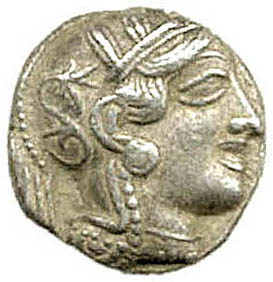
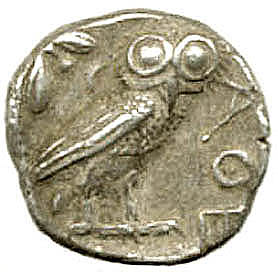
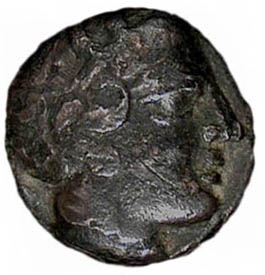
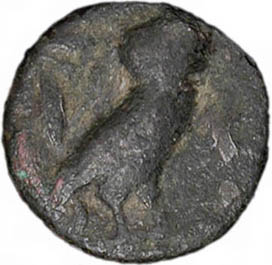
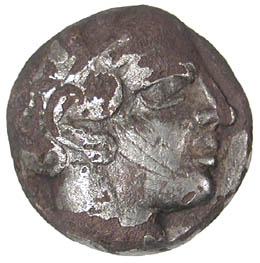
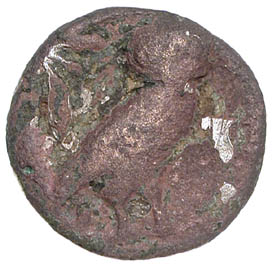
Here are two Athenian Owls I worked on. |
|